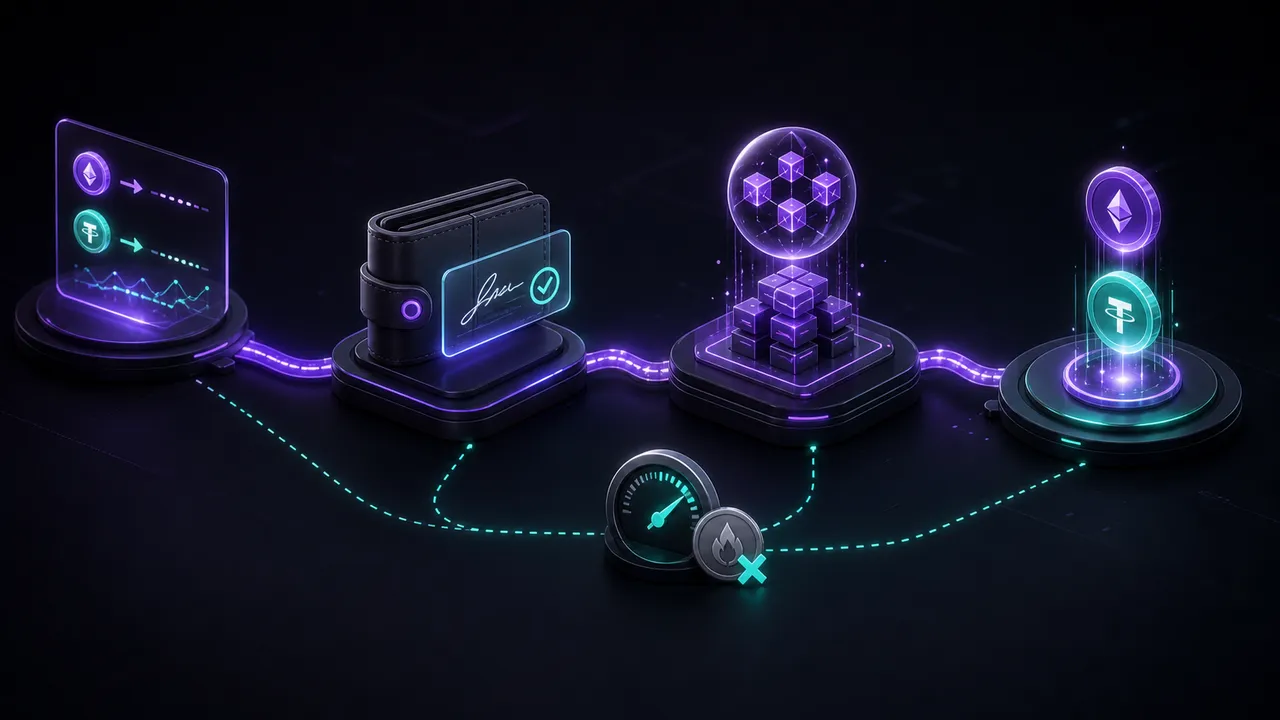
Key Takeaways
- 1Gasless does not mean every swap avoids native gas fees; it means a specific route can sponsor or relay them under specific conditions.
- 2Eligibility changes with chain support, token support, provider availability, and route economics.
- 3A gasless path can still require signatures, approvals, or a refresh if the quote no longer holds.
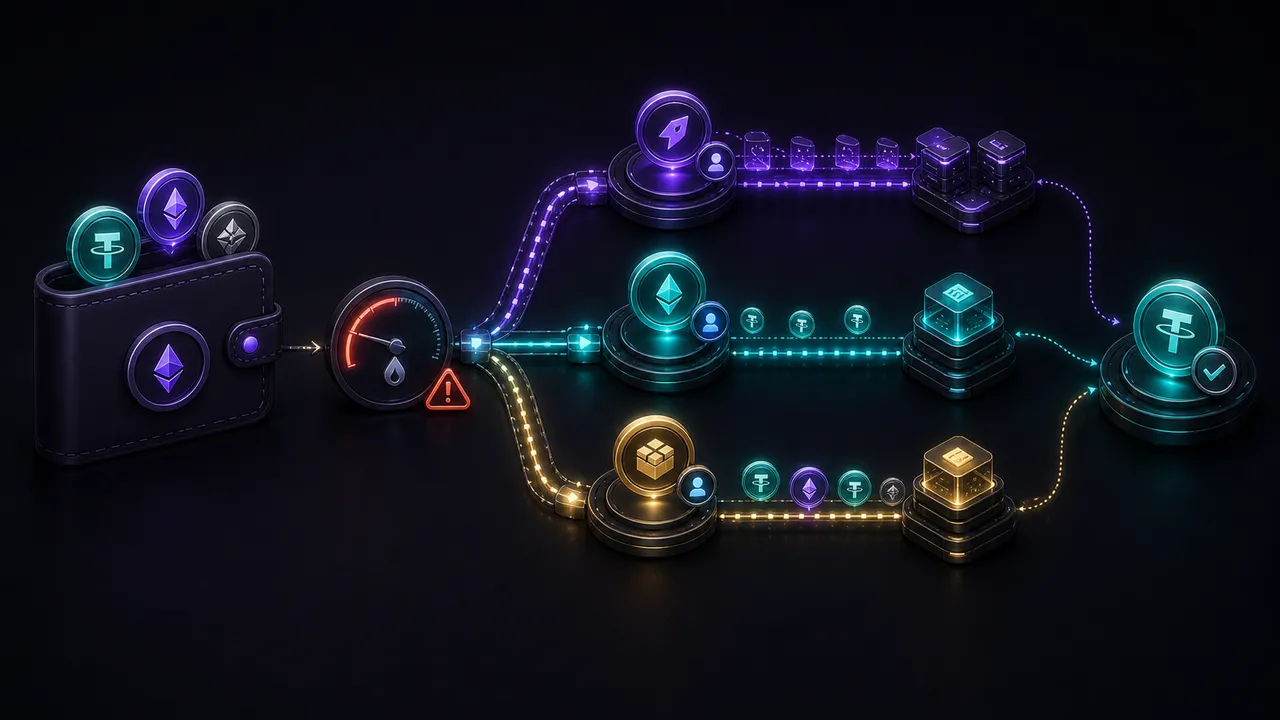
There is a very specific kind of frustration in DeFi: you have the token you want to trade, you know the route you want to take, and then the interface stops you with the same dull message in different clothes.
You do not have enough native gas token.
No ETH. No MATIC. No AVAX. No trade.
Gasless swaps exist to smooth out exactly that moment. They do not repeal the laws of blockchain physics, and they do not make network costs disappear. What they do is change who pays the gas upfront and how that cost gets folded into execution.
That distinction is the whole story.
A gasless swap lets you complete a trade without holding the chain’s native gas token in your wallet at the moment you initiate the swap. Instead of broadcasting a normal transaction and paying gas yourself, you typically sign an order or intent. A third party, sometimes called a filler, solver, or relayer, submits the transaction onchain and pays the gas to get it executed.
So yes, the user experience feels gasless. But the network is still being paid.
At a glance: “Gasless” usually means “you do not need native gas in your wallet right now,” not “the network cost vanished.”
Why gasless swaps matter
Gasless execution solves a real usability problem, not just a marketing one.
In a normal swap flow, the wallet needs two things:
- the asset you want to trade
- enough native gas token to pay for the transaction
That second requirement creates friction everywhere:
- new users do not always understand why holding USDC is not enough to trade USDC
- cross-chain users often land on a new network without its native token
- small wallets can get stranded by tiny gas balances
- failed swaps can feel doubly painful because the user may lose gas and still not get the trade
Gasless routes soften all of that. They turn a wallet from “must be pre-funded for every network interaction” into something closer to “sign when you are ready.”
That is a meaningful shift in product design.
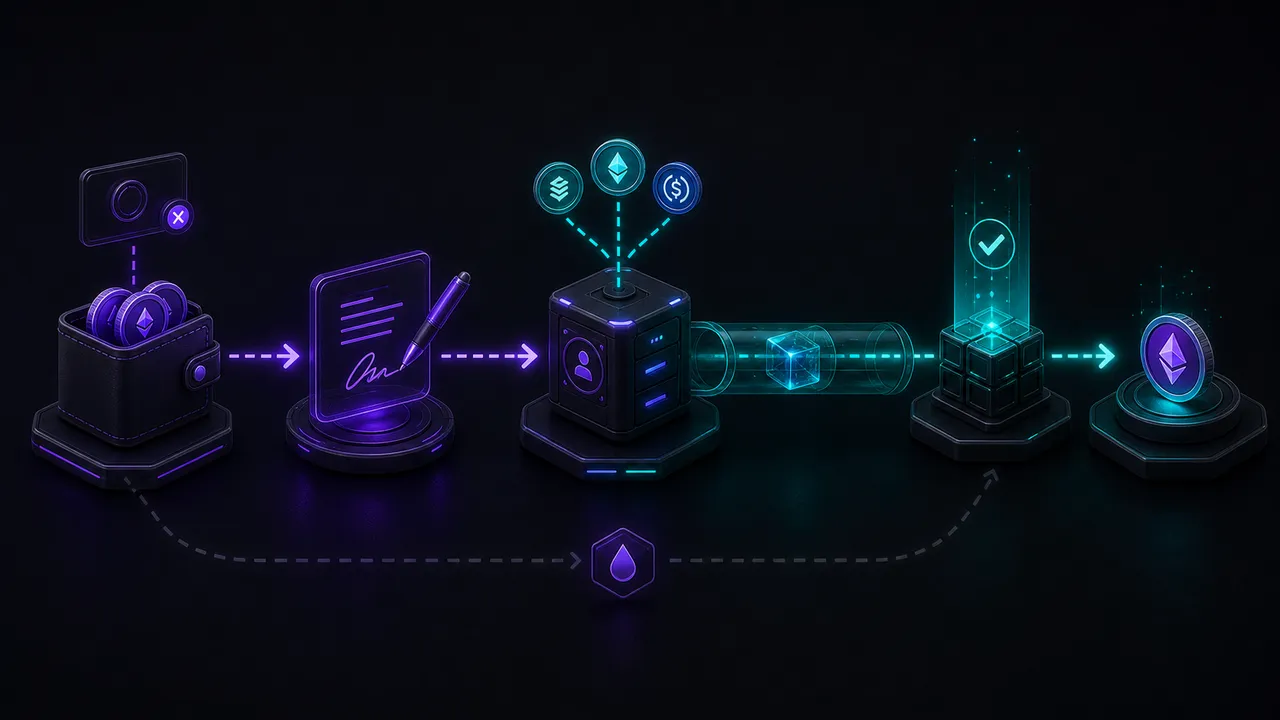
How a gasless swap actually works
Different systems implement gasless execution differently, but the broad pattern is familiar.
1. You request a quote
You select the asset you want to sell, the asset you want to receive, and the size of the trade.
2. The interface checks whether a gasless route is available
This depends on the pair, the chain, the route type, and the available execution infrastructure.
3. You sign an order instead of sending a normal transaction
Rather than directly paying gas to push a transaction to the network, you sign a message authorizing the swap under specific conditions.
4. A third party submits the onchain transaction
A filler, solver, or relayer executes the swap and covers the gas cost upfront.
5. The final economics are reflected in the execution
The gas does not disappear. It is typically reflected in the quoted output, spread, or route economics.
This is why “gasless” can be the correct user-facing description without being a misleading technical claim. The user is not paying gas as a native token at submission time. The system is still accounting for execution costs.
Gasless does not mean free
This is the most important misconception to correct.
A gasless swap is not necessarily cheaper than a standard swap. Sometimes it is. Sometimes it is not. Often the right question is not “Is gasless free?” but “Is the total outcome of this route better for me?”
The total outcome includes:
- tokens received
- network cost treatment
- any routing spread
- probability of successful execution
- convenience
- whether the user must acquire a native gas token first
For some users, the convenience alone is a major gain. For others, the best route is simply the one that gets the trade through with the least operational hassle.
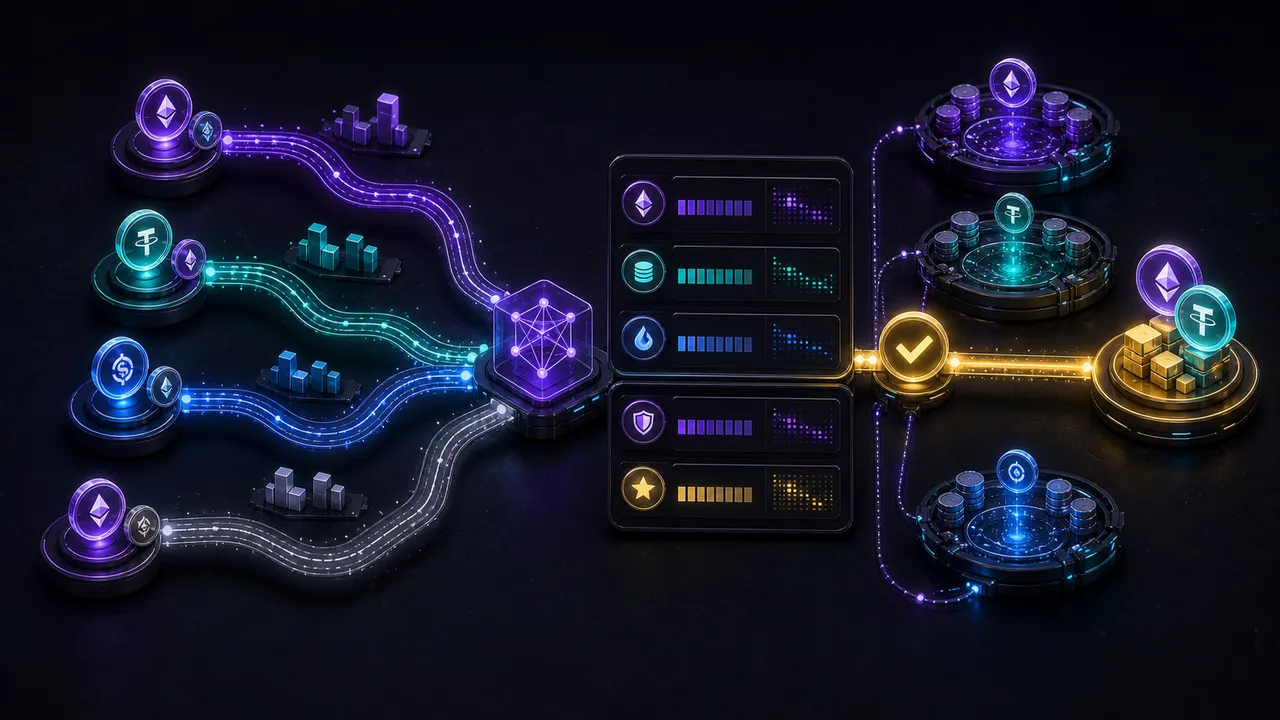
That is why a route-aware product like MindSwap should compare net execution quality, not just the sticker price.
Where the gas cost goes
In a standard swap, the cost is obvious: you pay gas directly from your wallet.
In a gasless swap, that cost is usually absorbed and recovered through the execution model. Depending on the design, that can show up as:
- a slightly different quoted output
- solver economics inside an auction
- route-level spread
- bundled execution efficiencies that lower the effective cost per order
The important user-level truth is simple: the cost still exists, but the interface removes the burden of funding and submitting it in the usual way.
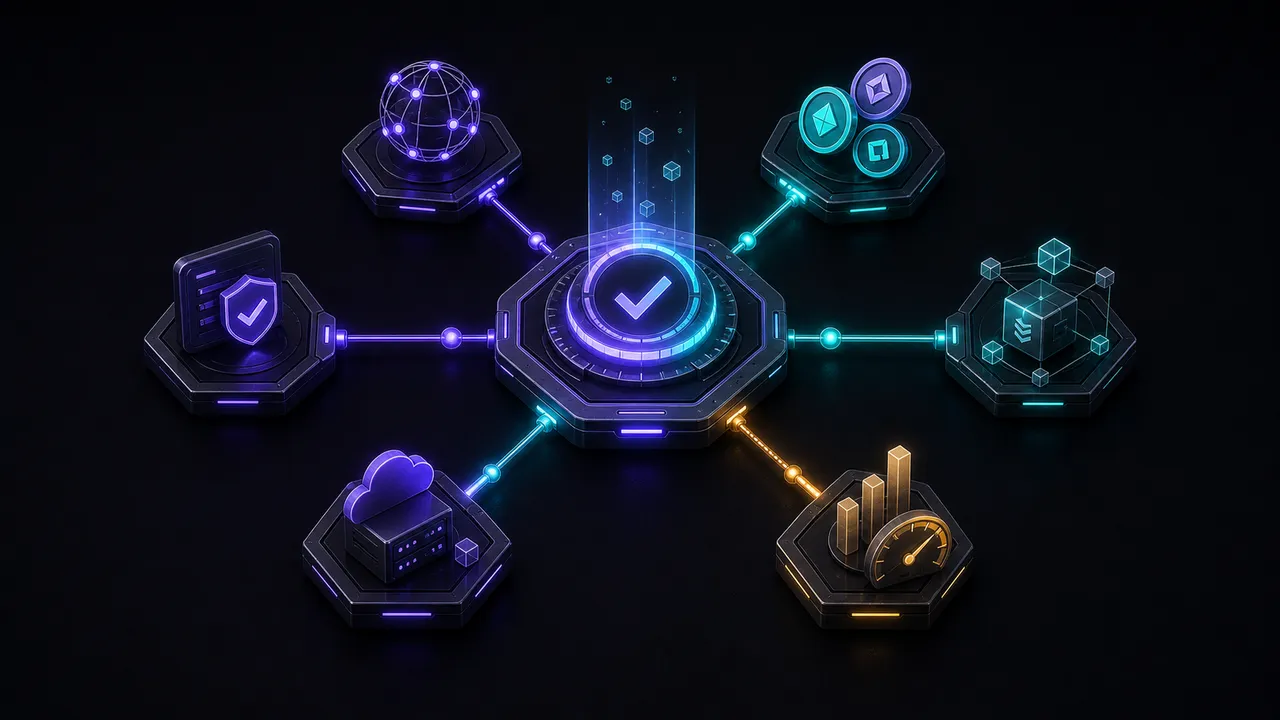
When gasless swaps are most useful
Gasless routes shine when the user’s main problem is friction.
You have tokens, but no native gas coin. This is the classic use case. You hold the asset you want to trade, but not the token needed to move it.
You are moving across chains. Cross-chain users often arrive on a destination network with the right asset, but no native gas token to keep going.
You want fewer failed attempts. Some gasless systems also reduce the pain of failed transactions because the user is not directly paying gas for every unsuccessful attempt.
You want a smoother first trade. Gasless execution can make the “first swap on a new chain” feel less like an obstacle course.
What makes a route eligible for gasless execution
Not every swap can be made gasless. Availability depends on a few practical constraints.
The chain must support the route design. Some chains are easier to support than others depending on infrastructure, settlement model, and available execution partners.
The token pair must be compatible. A route may exist for a highly liquid pair but not for a long-tail asset.
The execution engine must be available. Gasless swapping often depends on third-party executors who are willing and able to fill the order.
The order economics must make sense. For a route to be viable, someone has to be able to execute it profitably or competitively after covering gas.
Approval flow matters. Some systems rely on signature-based approvals or specific token standards. Others may still require an initial approval step before the gasless experience becomes possible.
That last point trips people up. A route can be gasless for the swap, but not necessarily for every setup action that precedes it.
Gasless vs. standard swaps
| Question | Gasless swap | Standard swap |
|---|---|---|
| Do you need the native gas token in your wallet? | Usually not | Yes |
| Are network costs still part of the trade? | Yes | Yes |
| Do you sign an order rather than send a normal transaction? | Often, yes | Not usually |
| Is the route always available? | No | More broadly available |
| Is it always cheaper? | No | No |
This is why good UX copy matters. Calling a route gasless is useful. Pretending it is costless is not.
Where gasless execution fits inside MindSwap
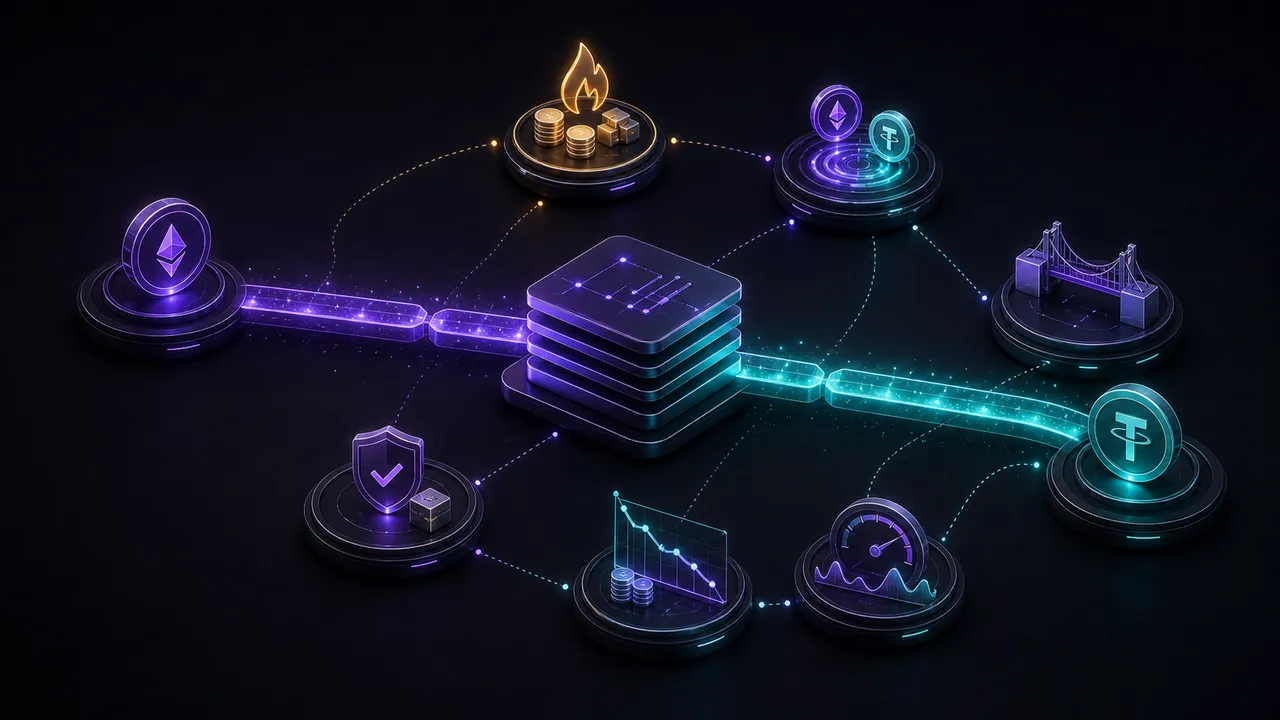
MindSwap’s opportunity is not to turn “gasless” into a buzzword. It is to make the conditions legible.
If a gasless route is available, the user should be able to understand:
- that they do not need the native gas token for that swap
- whether the route requires a signature-based flow
- whether the final quote already reflects network cost
- whether route availability depends on chain, token, or size
- what changes if the gasless path disappears between quote and execution
That is the difference between a nice feature and a trustworthy one.
A clean route label, a short explanation, and a sentence on limitations are often enough.
The trade-offs worth saying out loud
The fastest way to make a gasless feature feel suspicious is to oversell it.
Here are the honest trade-offs:
It is not universal. Some pairs, chains, and order sizes simply will not qualify.
It may be route-dependent. You may see gasless available for one route but not another.
It can still requote. If market conditions change, the route may need to refresh or disappear.
It can hide complexity rather than remove it. The system handles more of the operational burden, but the underlying execution still has moving parts.
Users generally accept those trade-offs when the interface is frank about them.
A practical example
Imagine you hold USDC on a network but no native gas coin.
In a standard flow, your next step is annoying: go find a small amount of the gas token, bridge it in, buy it somewhere else, or ask another wallet to send some over.
In a gasless flow, the interface may let you sign an order and complete the swap anyway. You still pay the economic cost of execution, but you are spared the extra funding step.
That is why gasless swaps matter. They remove a chore that users resent more than product teams sometimes realize.
Final thought
Gasless swaps are one of those ideas that sound more futuristic than they really are.
At heart, they are a practical design choice: move the gas burden away from the user’s wallet at the moment of submission, and recover that cost through execution. The result is not free trading. It is less brittle trading.
For a route-aware product like MindSwap, that matters. Users do not need a lecture on transaction mechanics every time they trade. They need an interface that makes the right route feel obvious and the trade-offs feel transparent.
That is exactly where gasless execution earns its keep.
FAQ
Are gasless swaps actually free?
No. The network still charges for execution. “Gasless” means the user usually does not need to hold or spend the native gas token directly at submission time.
Do gasless swaps work on every chain?
No. Availability depends on infrastructure, chain support, token pair, and route economics.
Can a gasless swap still fail or requote?
Yes. Gasless routes can still refresh, disappear, or fail if market or network conditions change.
Do I still need to approve tokens first?
Sometimes. Depending on the token and route design, there may still be an approval step or signature-based authorization requirement.
Why would I choose gasless over a standard swap?
Usually because you do not hold the native gas token, want a smoother experience, or prefer a route with lower operational friction.
Related reading
- How to swap without holding a gas token
- When gasless routing is available
- How MindSwap chooses the best route
Want to compare route options live? Go back to the MindSwap homepage.
Pro Tip
Check whether a gasless route is available right now
The live quote is the only reliable source of truth because sponsorship can disappear when market conditions or route economics change.
- •Compare gasless and non-gasless paths side by side
- •Watch for approval steps on token swaps
- •Refresh the route if the quote expires